
About the Cabarrus County Clerk of Superior Court
North Carolina elects a Clerk of Superior Court in all 100 counties for a four-year term. The Clerk is not just a filing office. State law gives the Clerk record-keeping duties for both Superior and District Court, the role of probate judge for estates, and authority over many special proceedings. In Cabarrus, the Clerk works out of the courthouse and can be reached at the main court number.
The office also collects money due to the State or to parties, hears special proceedings such as adoptions, guardianships, and land partitions, and in criminal matters may issue warrants and conduct initial appearances. Because the Clerk serves both Superior and District Court, almost every Cabarrus court case touches this office at some point, from the first filing to the final judgment and any certified copy afterward.
Cabarrus County Clerk of Superior Court
Cabarrus County Courthouse
61 Union Street South
Concord, NC 28025
Mailing: PO Box 70, Concord, NC 28026
704-262-5500
Mon-Fri, 8 AM-5 PM
What the Clerk Does in Cabarrus County
The Clerk of Superior Court wears several hats. The office keeps the official court record, manages money tied to cases, and acts as the probate judge for estates. The state's overview of court officials lays out these duties.
- Keep and index Superior and District Court records.
- Accept filings and issue court process.
- Collect court costs, fines, and money due to parties.
- Act as probate judge for wills, estates, and guardianships.
- Hear special proceedings like adoptions and partitions.
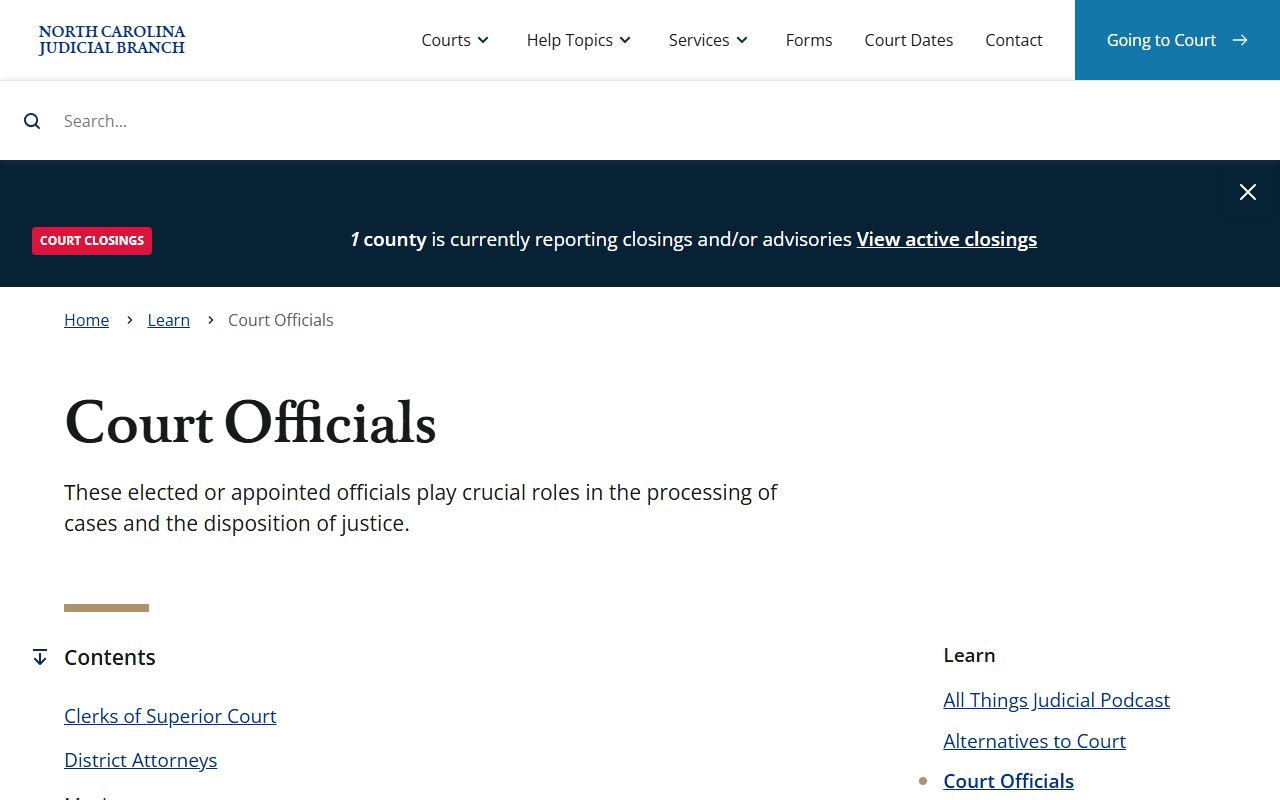
The court officials page confirms the Clerk's record-keeping, probate, and special-proceeding roles.
How to Request a Certified Copy
A certified copy is the version courts and agencies accept as proof. Online printouts from the portal are not certified. The Clerk stamps and signs a certified copy to show it matches the official file. Bring or know the case number to speed things up.
- Find the case number through the eCourts Portal or your court paperwork.
- Contact the Clerk's office or visit in person to request the copy.
- Identify the document and the number of copies you need, then pay the fee.
- Pick up the certified copy, or have it mailed where allowed.
Remember that cell phones are not allowed inside the courthouse, so plan how you will carry case details for an in-person request.
Cabarrus County Records Request Fields
Whether you ask in person or by mail, the Clerk needs enough to locate the file. The table lists what to include in a court records request.
| Field | Required | Notes |
|---|---|---|
| Case Number | Helpful | Speeds the search; format like 21CR000003-910. |
| Party Names | Yes | Needed when the case number is unknown. |
| Document Type | Yes | Name the specific document or judgment. |
| Number of Copies | Yes | Affects the total fee. |
| Certified or Plain | Yes | Certified for official use; plain for reference. |
Cabarrus County Clerk Fees
Court costs and clerk fees in North Carolina are set by the General Assembly, mostly in Chapter 7A, Article 28. The Clerk collects the statutory amount rather than setting its own price, so confirm the current figure with the office or the state court costs chart before you pay.
| Item | Amount |
|---|---|
| Court costs | Set by Chapter 7A, Article 28 |
| Civil and special proceeding costs | Set by N.C.G.S. 7A-308 |
| Estate costs | Set by N.C.G.S. 7A-307 |
| Certified and plain copies | Confirm current rate with the Clerk |
| Expunction petition | Generally $175 (some dismissals waived) |
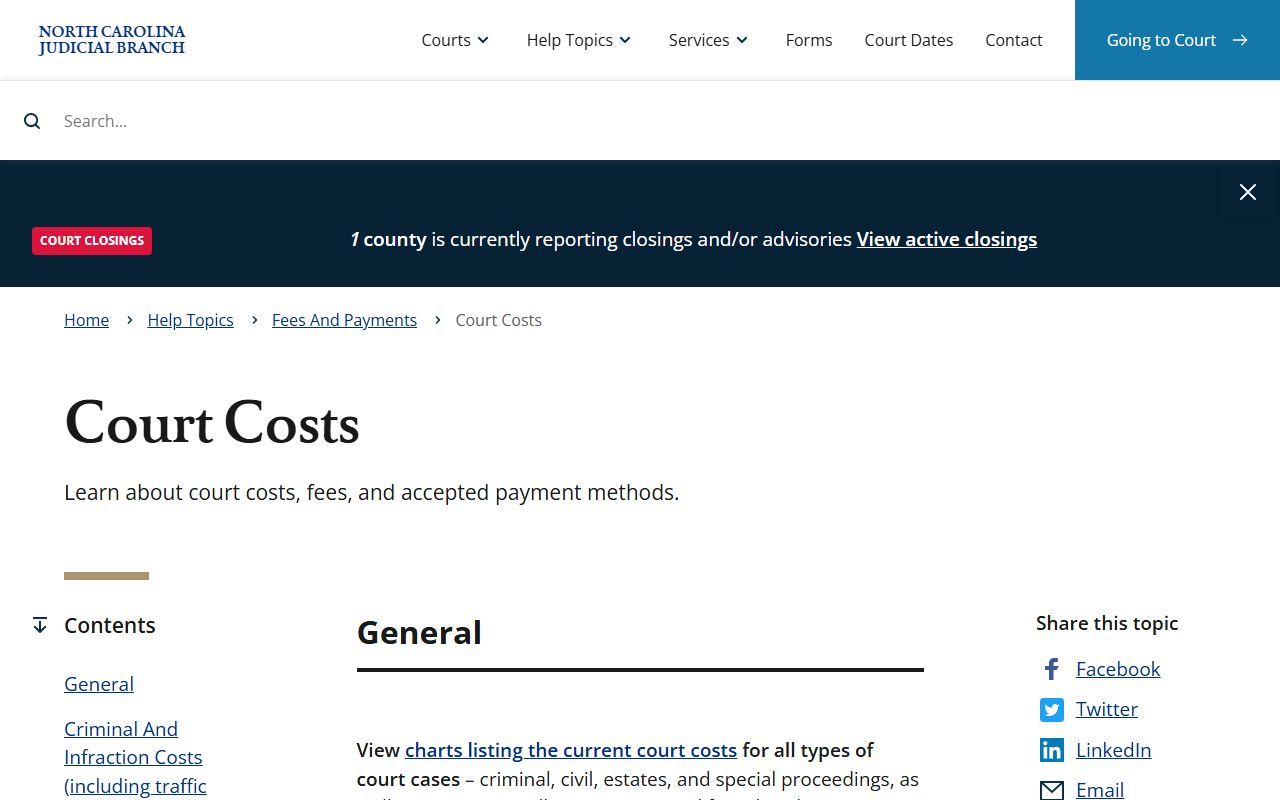
The court costs help topic links the current fee charts the Clerk uses.
Public Inspection of Clerk Records
Most court records the Clerk keeps are open to the public. North Carolina's inspection rights come from the public records law, which lets people examine and copy public records. The Clerk's specific record duties and indexes are governed by Chapter 7A, and the inspection right by Chapter 132.
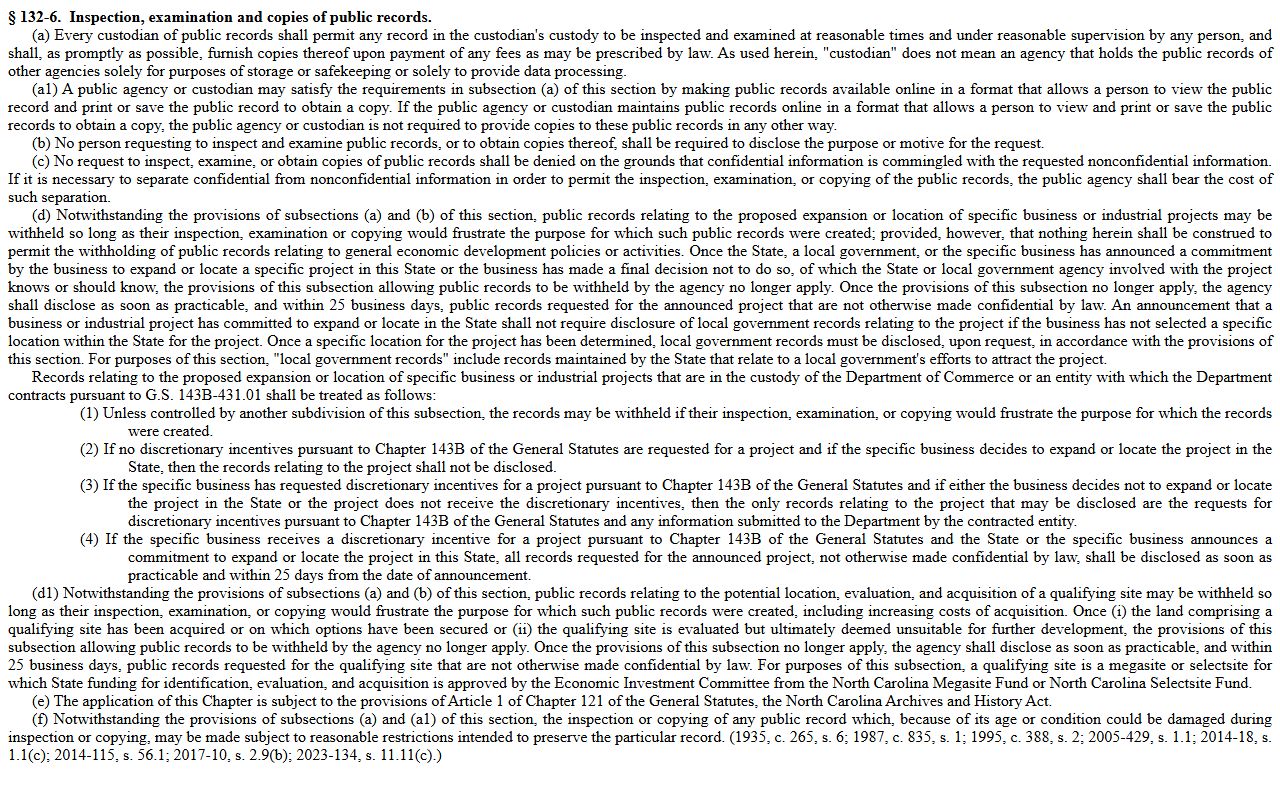
The inspection statute, N.C.G.S. 132-6, sets the right to inspect and examine public records. Restricted files, like juvenile and sealed records, are the exception. The eCourts Portal puts a public view of many of these records online, but the Clerk remains the keeper of the official file and the only source for a certified copy that a court will accept.
Clerk of Court vs. Register of Deeds
People mix up the two county offices. The Clerk of Superior Court handles court files, estates, and court money. The Register of Deeds handles land and vital records: deeds, plats, and birth, marriage, and death certificates. If you need a recorded document or a recording fee, the Register of Deeds is the right office, not the Clerk.
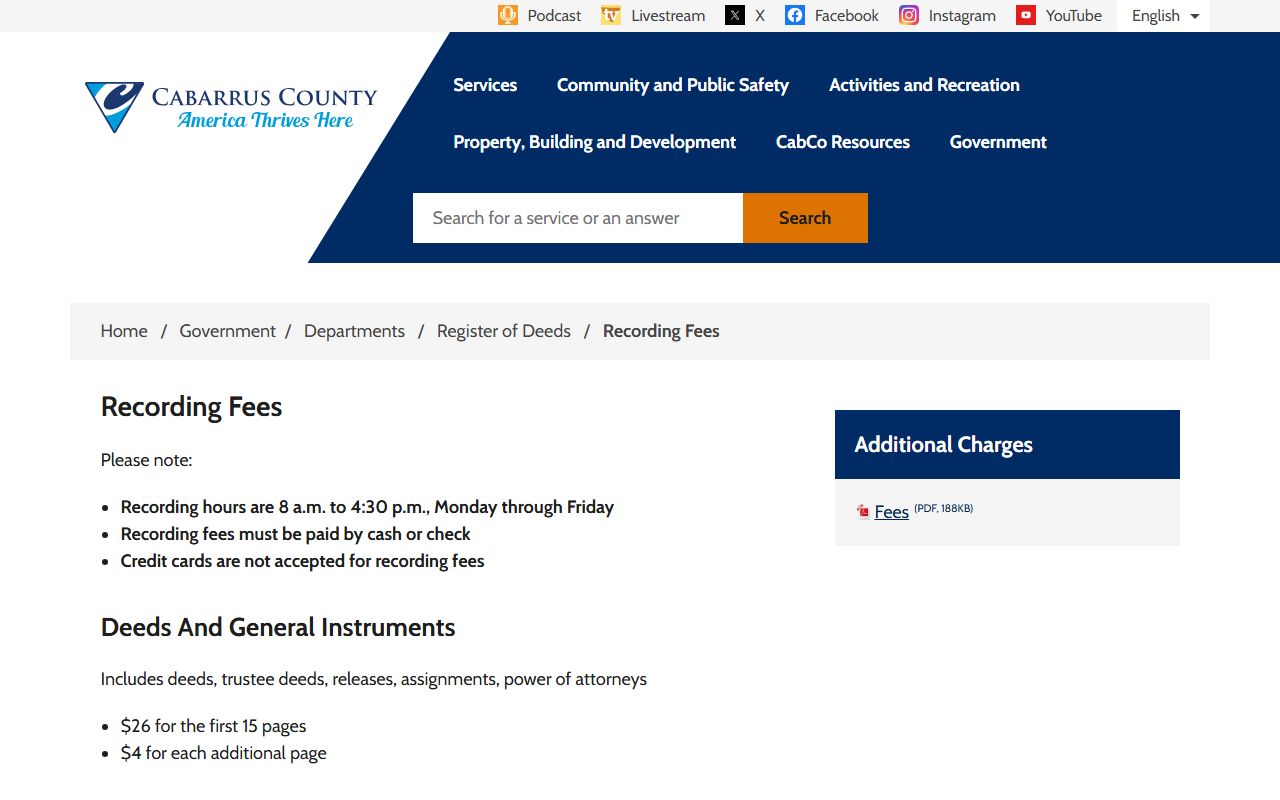
The Register's recording fees page covers deed, plat, and document fees that the Clerk does not handle.
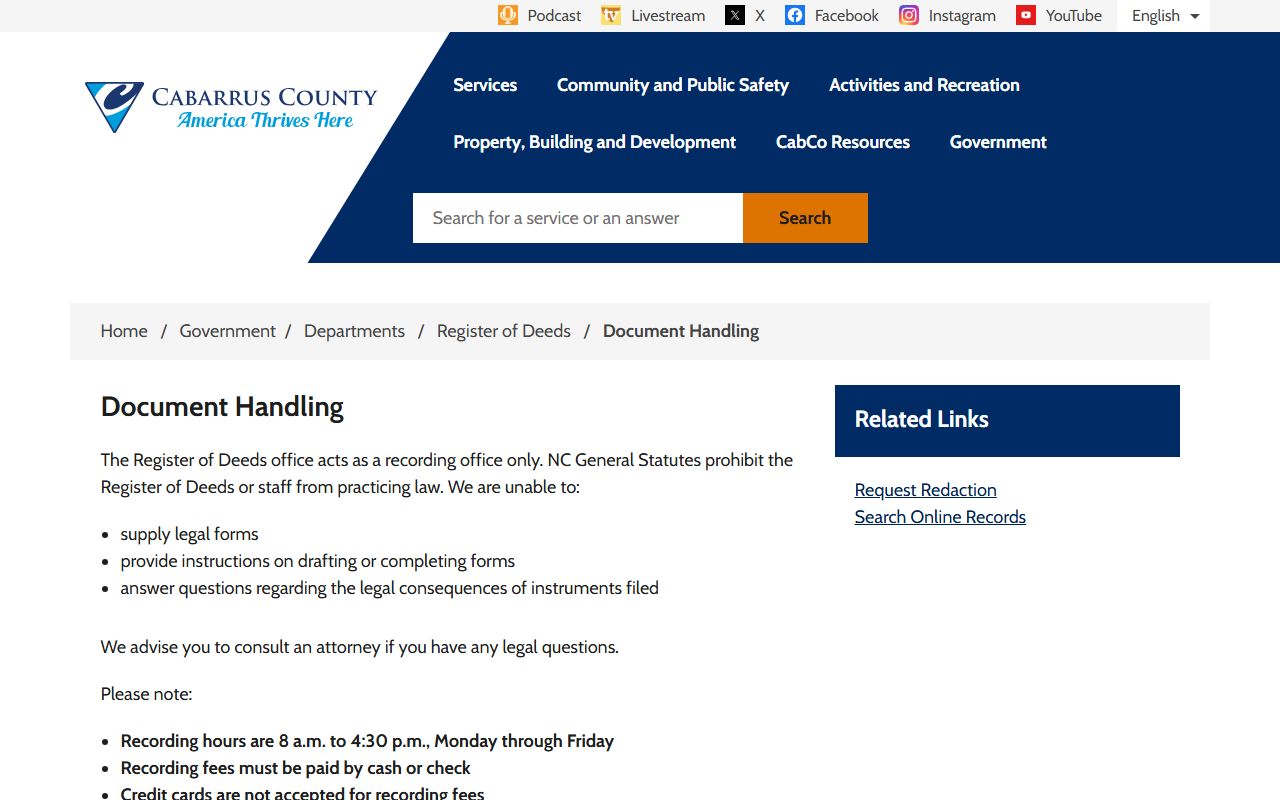
The document handling page explains recording standards, which apply to the Register, not the court Clerk.
Mail and Online Filings
North Carolina now runs court filings through eCourts. Attorneys and registered users file electronically through File and Serve, and the public can search cases and pay many fees through the eCourts Portal. Guide and File offers guided forms for matters like absolute divorce and small claims. For certified copies and official records, the Clerk remains the source, since the Portal is not the official court record.
Cabarrus joined eCourts in October 2024, and the state added self-service kiosks in courthouses in 2025. Those kiosks let the public scan, print, and pay without waiting at the counter. Even so, complex requests and certified copies are best handled with the Clerk directly. Call ahead at 704-262-5500 to confirm what a specific request needs before you make the trip downtown.
Payments and Finding Appointed Counsel
The Clerk's office is the hub for court money. Many criminal fees and fines can be paid online through the eCourts Portal, while others, like cash bonds and civil judgments, cannot be paid that way. The Clerk also collects payments in person and by mail. When a case involves court costs, the Clerk can tell you the amount owed and the accepted payment methods.
The Clerk plays a role in indigent defense too. If you do not know whether you have a court-appointed lawyer, North Carolina Indigent Defense Services directs people to call the Cabarrus Clerk of Superior Court at 704-262-5500. The Clerk can confirm whether counsel has been appointed and help you connect with the court. Staff cannot give legal advice, but they can point you to the right office.